
566 words
3 minutes
TelegramAPI反向代理
我使用了2个workers来实现, 因为在不同的软件里面还不能直接调用
Telegram-DDNS
这个我是用来搭建DDNS-GO上的 webhook
const whitelist = ["/bot6112359xxx:xxx"];//示例const whitelist = ["/bot123456:"];const tg_host = "api.telegram.org";
addEventListener('fetch', event => { event.respondWith(handleRequest(event.request))})
function validate(path) { for (var i = 0; i < whitelist.length; i++) { if (path.startsWith(whitelist[i])) return true; } return false;}
async function handleRequest(request) { var u = new URL(request.url); u.host = tg_host; if (!validate(u.pathname)) return new Response('Unauthorized', { status: 403 }); var req = new Request(u, { method: request.method, headers: request.headers, body: request.body }); const result = await fetch(req); return result;}DDNS-GO配置
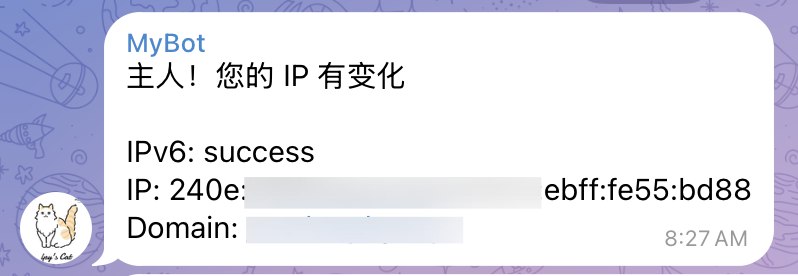
https://webhook-tg.loophy.top/bot63xxx/sendMessage{ "chat_id": "-xxx", "text": "主人!您的 IP 有变化\n\nIPv6: #{ipv6Result}\nIP: #{ipv6Addr}\nDomain: xxx.xxx.com"
}
Telegram-SMS
这一个用做短信转发 Smsforwarder
/** * Helper functions to check if the request uses * corresponding method. * */const Method = (method) => (req) => req.method.toLowerCase() === method.toLowerCase();const Get = Method('get');const Post = Method('post');
const Path = (regExp) => (req) => { const url = new URL(req.url); const path = url.pathname; return path.match(regExp) && path.match(regExp)[0] === path;};
/* * The regex to get the bot_token and api_method from request URL * as the first and second backreference respectively. */const URL_PATH_REGEX = /^\/bot(?<bot_token>[^/]+)\/(?<api_method>[a-z]+)/i;
/** * Router handles the logic of what handler is matched given conditions * for each request */class Router { constructor() { this.routes = []; }
handle(conditions, handler) { this.routes.push({ conditions, handler, }); return this; }
get(url, handler) { return this.handle([Get, Path(url)], handler); }
post(url, handler) { return this.handle([Post, Path(url)], handler); }
all(handler) { return this.handler([], handler); }
route(req) { const route = this.resolve(req);
if (route) { return route.handler(req); }
const description = 'No matching route found'; const error_code = 404;
return new Response( JSON.stringify({ ok: false, error_code, description, }), { status: error_code, statusText: description, headers: { 'content-type': 'application/json', }, } ); }
/** * It returns the matching route that returns true * for all the conditions if any. */ resolve(req) { return this.routes.find((r) => { if (!r.conditions || (Array.isArray(r) && !r.conditions.length)) { return true; }
if (typeof r.conditions === 'function') { return r.conditions(req); }
return r.conditions.every((c) => c(req)); }); }}
/** * Sends a POST request with JSON data to Telegram Bot API * and reads in the response body. * @param {Request} request the incoming request */async function handler(request) { // Extract the URl method from the request. const { url, ..._request } = request;
const { pathname: path, search } = new URL(url);
// Leave the first match as we are interested only in backreferences. const { bot_token, api_method } = path.match(URL_PATH_REGEX).groups;
// Build the URL const api_url = 'https://api.telegram.org/bot' + bot_token + '/' + api_method + search;
// Get the response from API. const response = await fetch(api_url, _request);
const result = await response.text();
const res = new Response(result, _request);
res.headers.set('Content-Type', 'application/json');
return res;}
/** * Handles the incoming request. * @param {Request} request the incoming request. */async function handleRequest(request) { const r = new Router(); r.get(URL_PATH_REGEX, (req) => handler(req)); r.post(URL_PATH_REGEX, (req) => handler(req));
const resp = await r.route(request); return resp;}
/** * Hook into the fetch event. */addEventListener('fetch', (event) => { event.respondWith(handleRequest(event.request));});示例
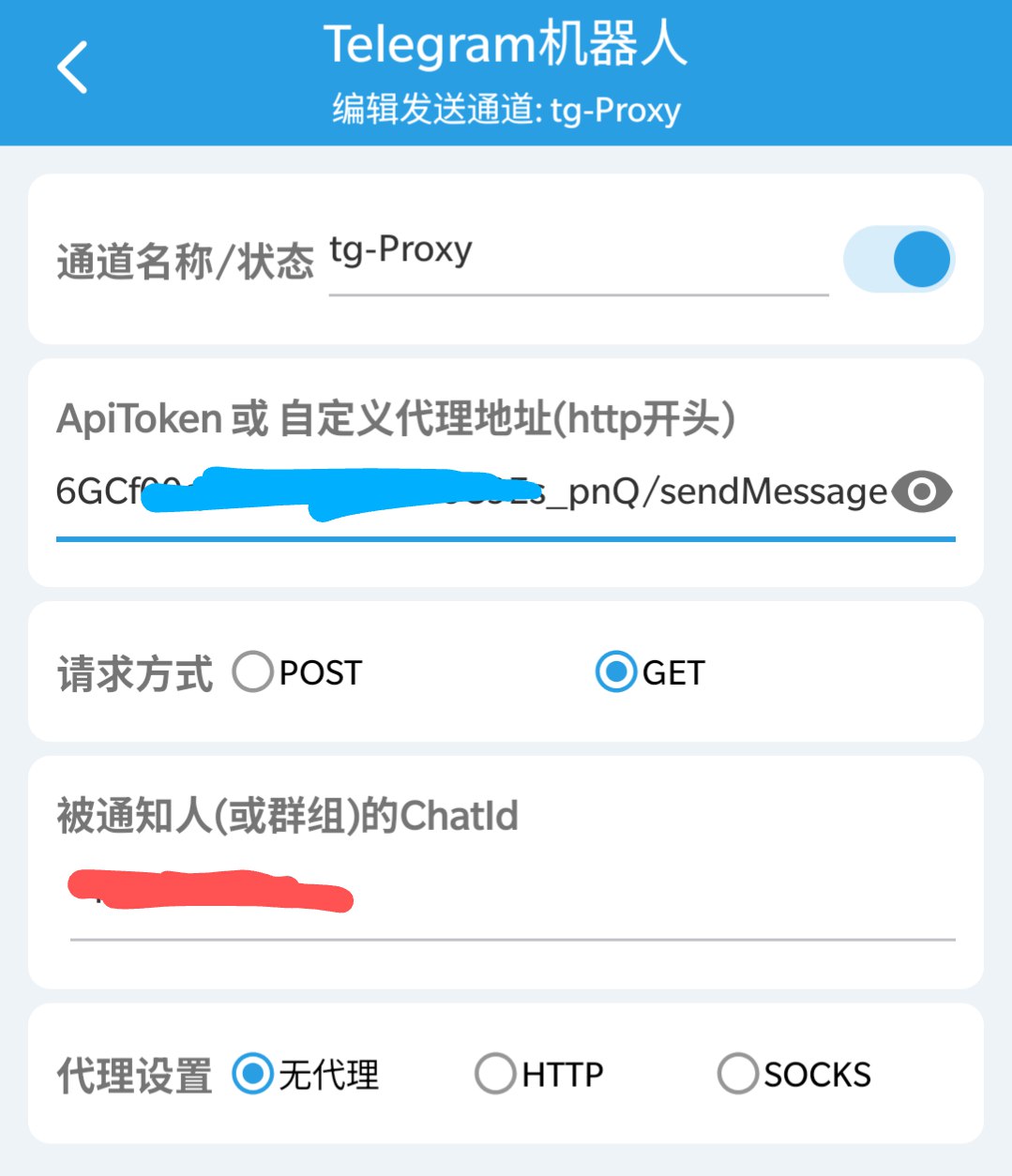
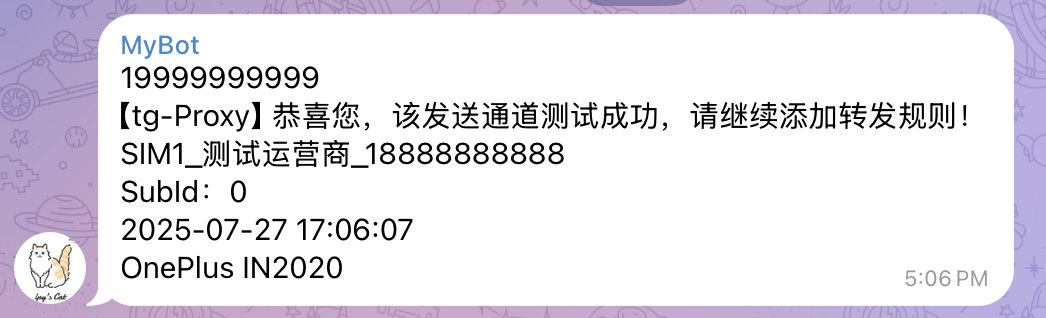
TelegramAPI反向代理
https://fuwari.loophy.top/posts/cloudflare-telegram/